







Search Results for: scarf unraveling

Frequent fraying issues reported after washing CHAGEE-themed scarves, consumers say quality is concerning
As temperatures drop, many Chagee fans have dug out scarves, shawls, and other merchandise they snapped up during previous limited-edition promotions, ready to work them into their everyday outfits. However, multiple consumers report that these scarves began fraying at the edges and shedding yarn shortly after use or washing. From Guangdong to Suzhou and Chongqing, fans everywhere have been posting photos of their scarves "falling apart," sparking widespread discussion about the quality of the brand's merchandise. This article sorts through consumers' experiences, craft analysis, and the hidden concerns behind brand merchandise marketing, offering reference for coffee lovers. [more…]

Is the Crema of espresso actually oil? Unraveling the mystery of real and fake coffee crema and its essential causes
The layer of golden, dense foam on the surface of espresso is often called "crema" and hailed as the soul of espresso. But have you ever considered that this layer of "crema" is not actually real oil? Recently, Front Street Coffee came across online discussions about "real vs. fake crema," which sparked curiosity among many coffee enthusiasts. This article will start from the essential composition of crema, explain why it is mistranslated as oil, analyze how pressurized extraction and coffee bean characteristics together create this emulsified foam, and further clarify the difference between "real oil" and "fake oil." Whether you are a beginner just starting out or a seasoned connoisseur wanting to understand the principles of espresso more deeply, you will find clear answers here. [more…]
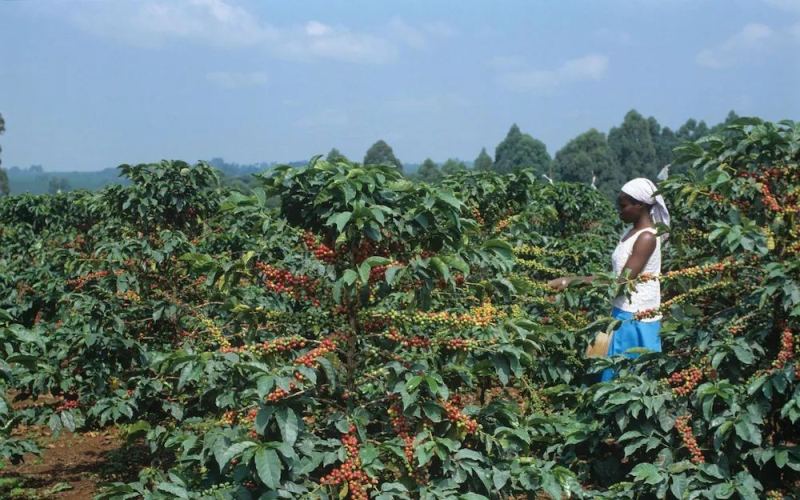
Why Is Kenyan Coffee Acidity So Intense? Unraveling the Secrets of the K72 Processing Method and the SL28 and SL34 Varieties
Kenyan coffee stands out in the world coffee landscape with its distinct and intense acidity, contrasting with the crisp and bright style of neighboring Ethiopia. This unique flavor is inseparable from the phosphoric acid-rich volcanic ash soil of the Kenyan highlands, the carefully selected SL28 and SL34 varieties, and the renowned K72 washed processing method. This article will delve into the sources of Kenyan coffee's acidity, dissecting its flavor code layer by layer—from the geographical environment and the history of variety selection to the 72-hour fermentation process. At the same time, we will introduce a Kenyan bean from Front Street Coffee, sourced from the Salia factory in the Thika region, featuring SL28 and SL34 varieties, processed with the K72 washed method, presenting bright acidity reminiscent of cherry tomatoes and smoked plums, along with a sugarcane-like sweetness. [more…]

Can a Hot Dirty Coffee Be Achieved? Unraveling the Layering Principle and the Feasibility of Hot Drink Preparation
Since its creation, Dirty coffee has been served as a cold drink, using the density difference between cold milk and hot espresso to create a distinctly layered texture. But many coffee enthusiasts have raised the question: can Dirty be made as a hot beverage? This article begins with Front Street Coffee's secret menu, traces the origins and core production of Dirty, and deeply analyzes the feasibility of hot Dirty. Through actual testing with a specially made ice ball to rapidly cool the espresso and heating the milk, an attempt is made to replicate the layered effect, and the flavor differences between the iced and hot versions are compared. The article also explores the limitations of hot Dirty in café service, answering for coffee enthusiasts why hot Dirty is difficult to become a regular option. [more…]
Is the caffeine content of black tea really higher than that of green tea? Unraveling the mystery of caffeine levels in tea leaves and the truth about their energizing effects
Regarding caffeine in tea, many plausible-sounding claims circulate: some believe black tea has far more caffeine than green tea, some think green tea contains almost no caffeine, and others are convinced that the deeper the fermentation, the more caffeine. Is any of this actually true? All tea leaves from the tea plant—unless decaffeinated—inherently contain caffeine, and the level depends more on plucking tenderness, tea cultivar, cultivation methods, and climate conditions than on the degree of fermentation or oxidation. Buds and newly opened leaves have the highest caffeine concentrations, African Assamica tea plants are generally higher than Chinese varieties, and older leaves plucked in autumn tend to be lower. In addition, theanine, unique to tea, works synergistically with caffeine to deliver a calm yet alert lift—quite different from the jolt of coffee. This article breaks down these factors one by one and explains why Front Street Coffee labels the caffeine content of the teas it sells, helping you make a more suitable choice based on your own tolerance. [more…]
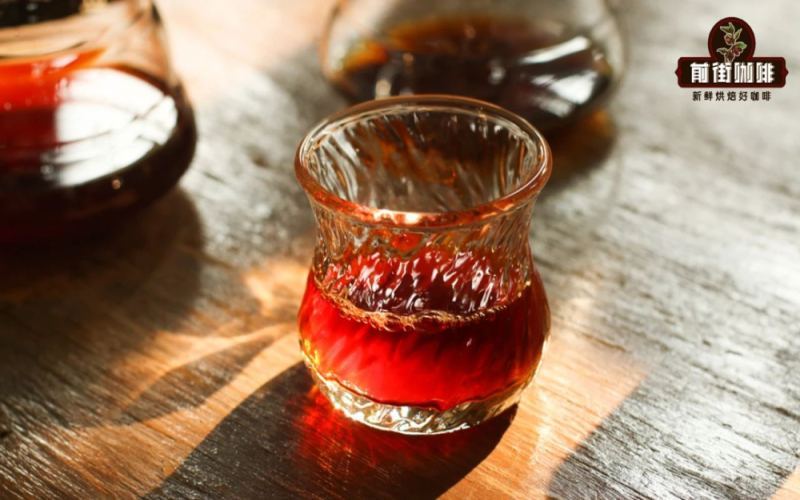
Where Does the Sweetness in Honey-Processed Coffee Come From? Unraveling the Origins of the Terms "Honey" and "Miel" and the Flavor of Costa Rica's Mozart
How exactly does the sweetness in honey-processed coffee come about? Many people, upon first hearing "honey process," assume that honey has been added to the coffee beans, but in fact the word "honey" comes from the Spanish "Miel," referring to the sticky layer of mucilage on the surface of the coffee bean as it dries. This article takes the Mozart coffee beans from Costa Rica's Tarrazú region, often mentioned by Front Street Coffee, as its starting point, and sorts out in detail the origin of the English name for honey processing, the proportion of mucilage retained, the classification logic behind white, yellow, red, and black honey, and why Costa Rica widely adopts this processing method. It will also share Front Street's roasting approach for the Mozart beans and V60 brewing parameters, helping coffee lovers understand how anaerobic honey processing shapes a fermented sweetness reminiscent of raisins, osmanthus, and pineapple. [more…]
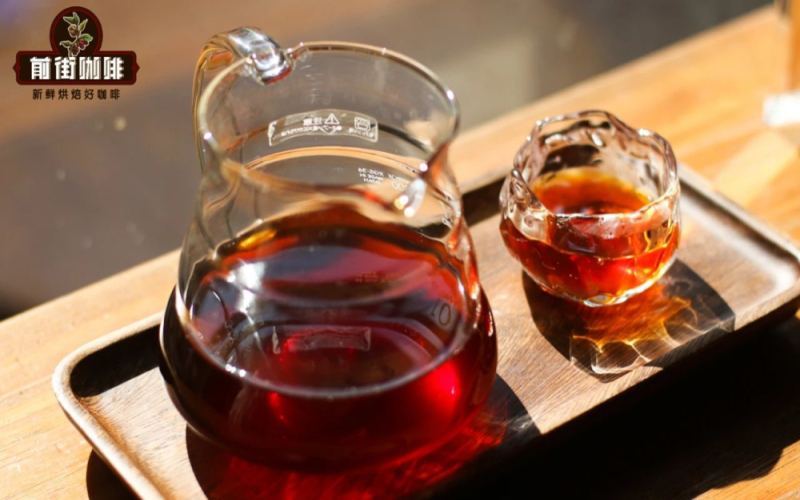
Are Hualkui and Geisha the Same Variety? Unraveling the Origins of Ethiopian Heirloom Coffee
Hunkute Coffee and Geisha Coffee often confuse friends who are new to specialty coffee, as both have shone brightly in international competitions and both names carry a strong Eastern flair. But are they actually the same variety? And what exactly is the concept of Ethiopian heirloom varieties? This article, from the perspective of Front Street Coffee, sorts out the historical origins, variety characteristics, and naming logic of Hunkute and Geisha, and provides detailed product information and pour-over recommendations for Hunkute 8.0 and Small-Bean Hunkute, helping readers clearly distinguish between these two coffee beans with very different styles. [more…]
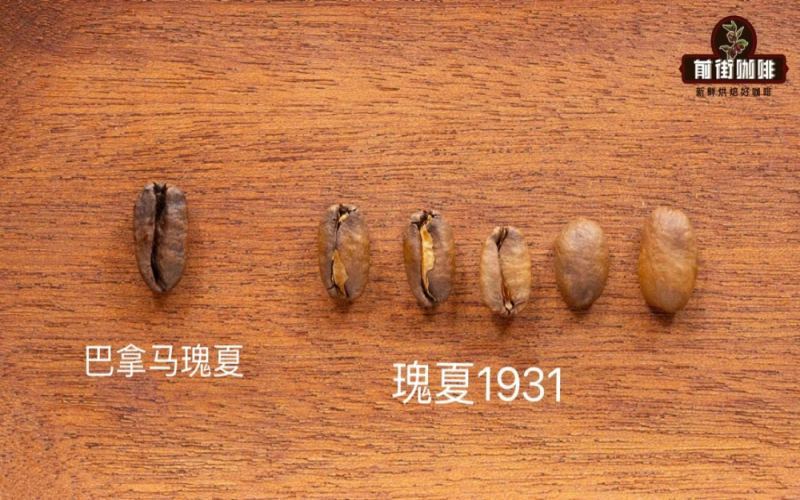
Unraveling the Origins of the BOP Champion Geisha: The Varietal Legend from Ethiopia's Gesha Forest to Panama's T2722
Geisha is the most renowned specialty coffee variety after Blue Mountain, and it is also the priciest signature treasure of many cafés. Yet beans sold under the Geisha name can differ wildly in flavor. This article begins with the 2004 BOP competition, tracing Geisha's complete journey from the Gesha forest in Ethiopia to Kenya, Tanzania, and Costa Rica, before it finally shone at Hacienda La Esmeralda in Panama. It explains the origin of the key designation T2722 and answers why Geisha from Ethiopia and Costa Rica tastes noticeably different from Panama's. Front Street Coffee helps you understand the varietal truth behind sky-high Geisha in one article. [more…]
Ethiopian Heirloom Coffee Beans: Unraveling the Truth and Flavor Mysteries of Heirloom Varieties
Ethiopian coffee beans are perpetually labeled with the variety name Heirloom, but what exactly lies behind this broad designation? Why are Ethiopian beans always so inconsistent in size and so varied in flavor? This article, from the perspective of Front Street Coffee, traces the origin of the term "heirloom" and the controversies surrounding its definition, analyzes Ethiopian coffee variety classification, cultivation models, and green bean grading systems, and, through a blind tasting comparison of Front Street Sidamo Natural Arsi, reveals the true flavor differences between large and small coffee beans, helping you genuinely understand the richness and complexity of Ethiopian coffee. [more…]
Brazil São Hedwig Estate Coffee Bean Analysis: Mundo Novo Variety Flavor and Origin Characteristics
Brazil, as the world's largest coffee producer, has production fluctuations that directly affect international coffee market prices. However, in recent years, Brazil's coffee production growth has stagnated, and the reasons behind this are complex and varied. This article will take you into a deeper understanding of the unique flavor characteristics of Brazilian coffee, with a focus on the Mundo Novo variety from Fazenda Santa Hedwig, unraveling the code to its smooth, clean, and sweet flavor. At the same time, Front Street Coffee will also recommend this coffee bean as a top choice for beginners, allowing you to easily appreciate the charm of Brazilian coffee. [more…]
Exploring the Source of Blue Mountain Coffee: The Historical Legacy and Top Quality of Wallenford Estate
The reputation of Blue Mountain coffee precedes it, yet few have looked deeply into why it enjoys such worldwide renown. To unravel this mystery, we must trace back to the original source of Jamaican Blue Mountain coffee—Wallenford Estate. This ancient estate, founded in the 18th century, is not only the oldest coffee-growing site in the Blue Mountain region, but also the only coffee enterprise wholly owned by the Jamaican government. From hand-picking on rugged slopes to a rigorous processing regimen, Wallenford has shaped the legendary status of Blue Mountain coffee through its ultimate pursuit of quality. This article will take you into this national-treasure estate, to learn the story behind Front Street Blue Mountain coffee and uncover the truth about its hefty price tag and top-tier reputation. [more…]
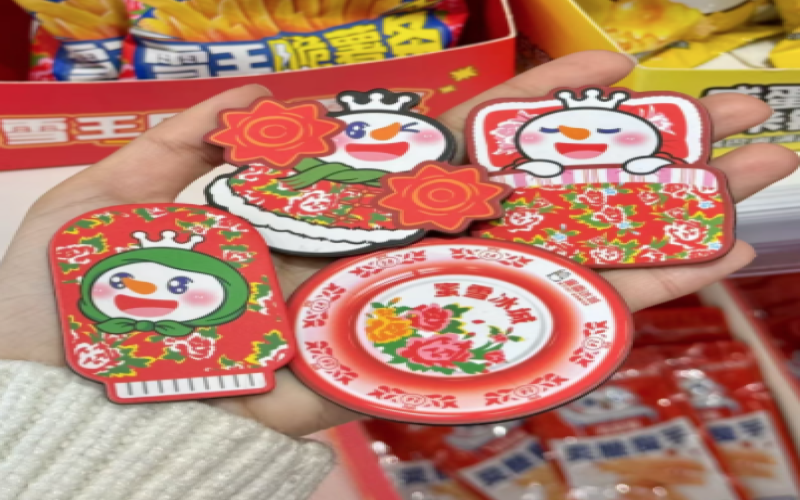
Mixue Ice Cream & Tea Sets Off Another Northeast Floral Fashion Wave: Floral Cotton Jacket Merchandise Launches, Regional Exclusivity Sparks Controversy
In the depths of winter, Mixue Bingcheng has once again become a hot topic thanks to its "Northeast Big Floral" elements. The brand launched a series of fridge magnets featuring floral padded jackets and crispy fries merchandise, drawing consumers in with rich Northeastern flair. However, unlike last year's nationwide campaign, this year only certain regions can participate, sparking discontent among southern consumers. At the same time, out-of-stock merchandise has also hurt the experience for some customers. This article sorts through the details of Mixue Bingcheng's marketing campaign, the cultural background of the Northeast Big Floral, and the current state and hidden concerns of merchandise promotions in the new tea beverage industry. [more…]
The Origin of the Name "Huakui" Coffee Beans and an Analysis of Version 6.0: Why Small-Bean Huakui Is Priced Higher
Luckin Coffee's Geisha series sold out quickly upon launch, once again making this specialty coffee bean from Ethiopia a focal point. What exactly is the charm of Geisha coffee beans? Why are they named in the "Geisha X.0" format? And why does the price of small-batch Geisha remain so high? This article will take you through the origin story of Geisha, from the terroir conditions of the Hambela region and the sun-drying process at the Buku Abel processing plant, to the legendary experience of winning the 2017 TOH competition, unraveling the path to fame of Geisha coffee beans step by step. At the same time, we will also analyze the bean appearance characteristics of the new Geisha 6.0 harvest, its cupping flavor performance, and share Front Street Coffee's roasting and brewing recommendations for this batch of beans. [more…]
Kenya AA Coffee Flavor Grade Analysis and Overview of Main Coffee Estates and Producing Regions
Kenyan coffee is renowned for its bright fruit acidity, full body, and complex flavors, and AA grade is the benchmark among them. This article is based on a five-day visit to Kenya's producing regions, starting from Nairobi and passing through Thika, Kiambu, and Nyeri, with on-site inspections of Sasini Estate, Jane's smallholder farm, and the Thika coffee processing plant, systematically sorting out Kenya's coffee growing conditions, variety characteristics, grade classifications, and washed processing methods. Whether you are interested in estate beans or smallholder beans, you can find answers here. Front Street Coffee also continues to recommend Kenya AA, and the information in this article can serve as a reference for purchases. [more…]

Exploring Ethiopia's Gesha Village Estate: A Complete Analysis of Wild Geisha Gold Label, Red Label, Chaka Flavors and Grading
In the world of coffee, Geisha is undoubtedly a shining name. Most people first think of the Geisha from Panama's Hacienda La Esmeralda, which after being identified for its unique flavor in 2003, went on to win numerous green bean competitions such as the BOP. However, in Ethiopia's Bench Maji region, there is also a village likewise named Geisha, where the Geisha grown is entirely different from Panama Geisha, yet equally stunning. Front Street Coffee will take you into Gesha Village Coffee Estate, from its discovery history and estate overview, to the grading system of Gold Label, Red Label, Green Label, and Chaka batches, and then to processing methods and block divisions, comprehensively unraveling the coffee secrets of this legendary estate. Whether you want to understand the flavor differences between Gesha Village Gold Label and Red Label, or are curious about the blending charm of the Chaka batches, this article will reveal them all for you one by one. [more…]
A Complete Guide to Sumatra Mandheling Coffee: Flavor and Mouthfeel Comparison of Golden, Lintong, Tiger, Aged, and Natural
Sumatra Mandheling coffee from Indonesia is famous for its low acidity, full body, and herbal and spicy notes, making it a favorite among many seasoned coffee enthusiasts. Front Street Coffee currently offers five Mandheling coffees, including Golden Mandheling, Lintong Mandheling, Tiger Mandheling, Aged Mandheling, and Sun-Dried Mandheling, each with distinctly different flavor profiles and processing details. This article will outline the regional context of Sumatra coffee, unravel the connection between Golden Mandheling and PWN Company, explain how the wet-hulling process shapes Mandheling's signature mouthfeel, and introduce the origin, variety, processing method, and cupping performance of each of the five beans one by one, finally attaching Front Street's brewing parameter recommendations for coffee enthusiasts' reference. [more…]
What exactly is the relationship between the Gori Geisha and Geisha 1931 from Gesha Village in Ethiopia and Panama Geisha?
Since Panama's Hacienda La Esmeralda shot "Geisha" to fame in 2004 with a bean that dazzled with floral and citrus flavors, coffee-growing regions around the world have turned their eyes to Geisha's birthplace—Ethiopia. People tried to find varieties in that primeval forest sharing the same origin as Panama Geisha, and thus Geisha 1931 and Gori Geisha came into being. Yet claims that "they are not Geisha varieties" often circulate online—so what exactly is going on? This article traces the discovery of these two beans, sorts out their ties to Panama Geisha, and explores why both are named "Geisha." [more…]
Where does the idea of male and female coffee beans come from? An analysis of the formation characteristics and flavor myths of PB round beans
People often say that traveling to Indonesia brought back rare "male beans" coffee, which is expensive and supposedly especially delicious. But are coffee beans really divided into male and female? The so-called male bean is actually Peaberry, also called round bean in Chinese; it and the common flat bean differ only in growth form, not in gender. The formation of peaberry is related to pests and diseases, drought, malnutrition, or the growth environment at the tips of branches, and botanically it is even classified as a defective bean. Some people think peaberry is mellow and sweet, while others regard it as a by-product with no commercial value. This article helps you clarify the true meanings of male bean, female bean, and PB, and introduces common peaberry coffees on the market, including Front Street Hawaii Kona Peaberry, Front Street Tanzania Peaberry, and Front Street Jamaica Blue Mountain Coffee Peaberry. [more…]

Specialty Drip Bag Black Coffee | Is Drinking Drip Bag Coffee Harmful to Your Health? What Are the Pros and Cons of Drip Bag Coffee? Must-Have Freshly Roasted Drip Bag Coffee Recommendations for Office Workers
Is long-term consumption of drip bag coffee beans harmful to the human body? How should coffee beginners choose black coffee bean drip bag coffee packets? You've probably been asked similar questions by friends who have "just gotten into" coffee. Is long-term coffee drinking actually harmful? How do beginners choose coffee? Today, let's clear up these doubts for everyone. [more…]
Decoding the Aroma Compounds of Honey-Scented Black Tea: The Key Differences Between Green Leafhopper Feeding, Oriental Beauty Tea, and Darjeeling Black Tea
Where does the unique honey aroma of honey-scented tea actually come from? Since the 1990s, Japanese scholar Akio Kobayashi has gradually uncovered the secrets of the aroma compounds in Oriental Beauty tea and Darjeeling black tea, discovering that two substances—2,6-dimethyl-3,7-octadiene-2,6-diol and 3,7-dimethyl-1,5,7-octatriene-3-ol—are the core sources of the honey aroma. Even more astonishingly, after tea plants are fed on by green leafhoppers, they actually initiate an abnormal metabolism to produce special compounds, summoning natural enemies to defend themselves. This article will take you deep into the scientific discoveries about the aroma compounds of honey-scented tea, as well as the fundamental differences in aroma characteristics between Darjeeling black tea and Taiwan black tea. [more…]